
Is Composite Decking Worth the Investment for Your Home?


Composite decking has become increasingly popular in South Africa, but many homeowners still question whether it truly offers long-term value. The answer depends less on initial price and more on performance, maintenance, and how well the material suits South African conditions.
While composite decking often costs more upfront than timber, the real value lies in long-term performance, reduced maintenance, and how well it handles South Africa’s climate. This guide helps you decide whether composite decking makes sense for your home, lifestyle, and long-term plans.
Understanding the Initial Cost of Composite Decking
Composite decking pricing varies depending on the product selected, installation method, and substructure used. When compared against quality hardwood decking, composite pricing is often comparable, particularly once installation, fixings, and finishing requirements are taken into account.
The initial investment usually includes:
● High-quality composite boards
● Hidden fixing systems
● Professional installation
● A finished surface that does not require sealing or chemical treatment
More importantly, composite decking includes elements that reduce ongoing maintenance and long-term ownership costs from the outset, helping homeowners avoid many of the recurring expenses associated with traditional decking materials.
For a detailed comparison, see our full breakdown of composite decking vs timber in South Africa over a 10-year period.
Long-Term Maintenance Savings
For many homeowners, reduced maintenance is the deciding factor when choosing composite decking.
Timber decks in South African conditions require:
● Annual or bi-annual sanding
● Regular sealing or oiling
● Repairs caused by warping, cracking, or splintering
● Ongoing labour and material costs
Composite decking, by contrast, requires:
● Occasional cleaning with water
● Mild cleaning products when needed
● No sanding, sealing, staining, or repainting
Over time, these maintenance savings can be substantial, both financially and in terms of time and effort.

Performance in South African Conditions
If your deck is exposed to full sun, seasonal rain, or temperature changes, South Africa’s climate becomes a critical consideration.
Timber decking is more vulnerable to:
● UV damage and fading
● Moisture absorption
● Expansion and contraction that can lead to lifting or cracking
● Rot and decay caused by ongoing moisture exposure
● Damage from termites, ants, and wood-boring insects
Composite decking is engineered to:
● Withstand prolonged sun exposure
● Resist moisture without rotting or swelling
● Maintain stability across temperature changes
● Resist insect damage and cannot be eaten by termites or ants
This improved performance directly impacts lifespan, appearance, and long-term value.
Durability and Lifespan
When deciding whether composite decking is worth the investment, lifespan is a key factor.
Timber is a natural product with a finite lifespan, and its performance depends heavily on species selection, ongoing treatment from year one, and exposure conditions. In many cases, timber decks begin showing structural issues within a few years if these factors are not carefully managed.
Timber decks may require significant repairs or resurfacing within ten years, depending on exposure and maintenance levels.
Substructure choice and installation quality are equally critical, with galvanised steel substructures significantly extending deck lifespan compared to timber framing.
High-quality composite decking systems are designed to last for decades. They retain their structural integrity and appearance far longer, reducing the likelihood of costly repairs or early replacement.
See Composite Decking in Real Homes
Seeing real projects can make it easier to decide whether composite decking is right for your home.
Explore composite decking installations across South Africa, including before, during, and after images that show how composite decking performs in real-world conditions.
When Does Composite Decking Make Financial Sense?
This ultimately comes down to how long you plan to stay in your home and how much ongoing maintenance you are willing to manage.
Composite decking is often worth the investment if you:
● Plan to remain in your home long term
● Want a low-maintenance outdoor space
● Prefer a consistent appearance over time
● Need reliable performance in South African climates
For many homeowners, the initial investment is offset by reduced maintenance and repair costs within the first five to seven years.
Composite Decking and Property Value
A well-designed composite deck can add value to your home by:
● Enhancing outdoor living areas
● Reducing perceived maintenance for future buyers
● Maintaining a premium appearance over time
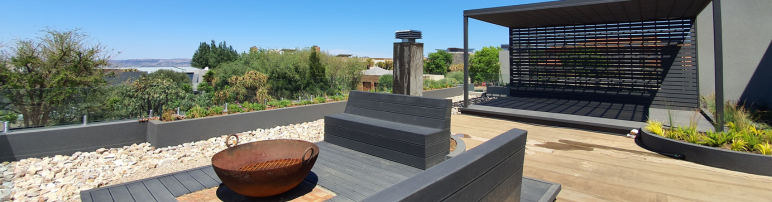
This makes composite decking a strong lifestyle choice and a long-term investment.
Final Thoughts
When comparing composite decking to quality hardwood alternatives, upfront costs are often comparable, while long-term performance, durability, and maintenance requirements differ significantly. When maintenance, durability, and climate performance are considered, composite decking offers peace of mind and lasting value that timber often cannot match.
The right solution depends on your priorities, budget, and how you plan to use your outdoor space.
Considering Composite Decking for Your Home?
If you are weighing up whether composite decking is right for your home, the Fishers Decking team is happy to help.
Speak to our experts for honest advice, material comparisons, and guidance tailored to your space and budget.
Use the contact button below or get in touch with us directly to start the conversation.
✔ Request a personalised quote
✔ Visit our showroom in Bryanston
✔ Explore our before-and-after gallery for inspiration
✔ Download our installation guides
Call us at 083 444 0655 or email gary@fishersdecking.co.za to get started.