
Composite Decking vs Timber in South Africa: A 10-Year Cost Breakdown


When comparing decking options, many South African homeowners focus on the upfront price. While this is understandable, it is rarely the full story.
The real cost of decking is revealed over time. Maintenance, repairs, climate exposure, and durability all play a role in what you will actually spend over ten years.
This guide compares composite decking vs timber decking in South Africa, breaking down the true long-term costs so you can make an informed, future-focused decision.
Initial Installation Costs: Composite vs Timber Decking
Timber decking can appear cheaper at the installation stage, but this is generally only true when using entry-level pine decking. Pine is often used because of its lower upfront cost, but it is not a true decking timber and has a significantly shorter lifespan in South African conditions.
As soon as higher-quality timber such as Balau or other hardwoods are specified, the upfront cost often matches or exceeds that of quality composite decking.
Upfront cost factors for timber decking include:
● Timber type such as pine, balau, or hardwood
● Chemical treatment requirements
● Installation labour
● Preparation for ongoing sealing and maintenance
Composite decking generally has a higher initial price due to:
● Manufactured boards engineered for consistent performance and long-term durability
● Consistent colour and finish
● No need for chemical treatment
● Reduced risk of early failure
It is important to note that quality hardwood decking is also a premium material, and cost differences are driven by timber species, availability, and expected lifespan rather than a simple comparison between timber and composite.
At installation stage alone, timber may appear more affordable when entry-level timber planks are used, but this perceived cost advantage reduces or disappears entirely when quality hardwoods are specified. Long-term ownership costs then become the more meaningful comparison.
Maintenance Costs Over 10 Years
Maintenance is where timber and composite decking differ most significantly.
Timber Decking Maintenance in South Africa
Due to South Africa’s climate, timber decking typically requires:
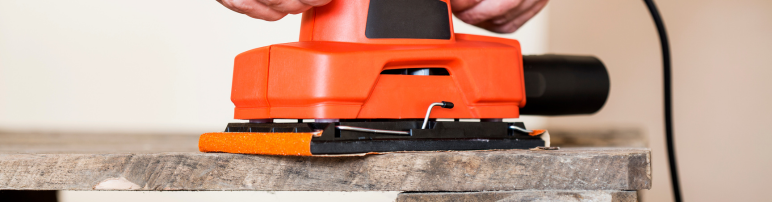
● Annual or bi-annual sanding
● Regular sealing or oiling
● Repairs caused by warping, cracking, and splintering
● Replacement of damaged or deteriorated boards
These costs repeat year after year and increase as the deck ages.
Composite Decking Maintenance
Composite decking is designed to be low maintenance. Over a ten-year period, most homeowners only need:
● Occasional washing with water
● Mild cleaning products when required
● No sanding, sealing, staining, or repainting
This results in minimal ongoing costs and far less time spent on upkeep.
How South Africa’s Climate Impacts Long-Term Cost
Climate plays a major role in decking performance and lifespan.
Timber decking is vulnerable to:
● Intense UV exposure causing fading and drying
● Moisture absorption during heavy rains
● Expansion and contraction leading to lifting and cracking
Composite decking is engineered to withstand:
● Prolonged sun exposure
● Temperature fluctuations
● Moisture without rotting or swelling
This durability significantly reduces repair and replacement costs over time.
Repairs and Replacement Over a 10-Year Period
Over ten years, timber decks often require:
● Partial board replacements
● Structural repairs
● In some cases, full resurfacing
Composite decking boards are designed to maintain their structure and appearance for decades. High-quality composite systems offer long-term stability with minimal risk of failure.
This 10-year comparison is a conservative exercise, as quality composite decking systems typically carry warranties of 15 to 25 years and continue performing well beyond the period assessed here.
See Real Composite Decking Projects
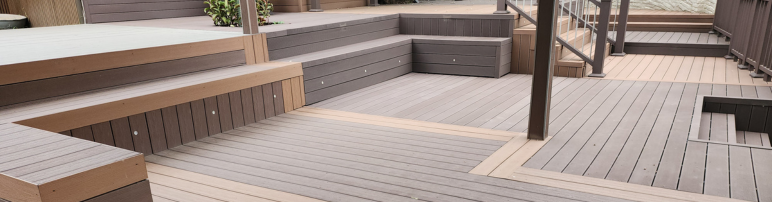
Explore real composite decking installations across South Africa, including before, during, and after images that show how composite decking performs over time.
Composite vs Timber Decking: 10-Year Cost Comparison
While exact costs vary by project, location, and material choice, the general long-term cost trend is consistent:
Timber decking
● Lower upfront cost only when entry-level timber planks are used
● Ongoing annual maintenance expenses
● Higher likelihood of repairs
● Higher total cost over ten years
Composite decking
● Higher upfront investment
● Minimal maintenance costs
● Strong performance in South African conditions
● Lower total ownership cost over ten years
In many cases, composite decking becomes more cost-effective between year five and year seven.
Which Decking Option Is Right for Your Home?
Timber decking may suit homeowners looking for a short-term solution and who are prepared for regular maintenance.
Composite decking is better suited to homeowners who want:
● A long-term outdoor solution
● Minimal maintenance
● Consistent appearance over time
● Reliable performance in South African climates
Choosing the right material upfront can prevent costly repairs and ongoing frustration later.
Final Thoughts
When investing in a deck, the true value lies in long-term performance, not just initial price. Understanding the full cost of ownership allows you to make a decision that protects both your home and your budget.
A well-designed deck should enhance your lifestyle without becoming a maintenance burden.
Considering Composite Decking for Your Home?
If you are exploring composite decking and would like guidance tailored to your space, climate, and budget, the Fishers Decking team is happy to assist.
Speak to our experts for honest advice, material comparisons, and professional installation guidance.
Use the contact button below or get in touch with us directly to start the conversation.
✔ Request a personalised quote
✔ Visit our showroom in Bryanston
✔ Explore our before-and-after gallery for inspiration
✔ Download our installation guides
Call us at 083 444 0655 or email gary@fishersdecking.co.za to get started.