
What is composite fencing? Benefits, uses and key considerations

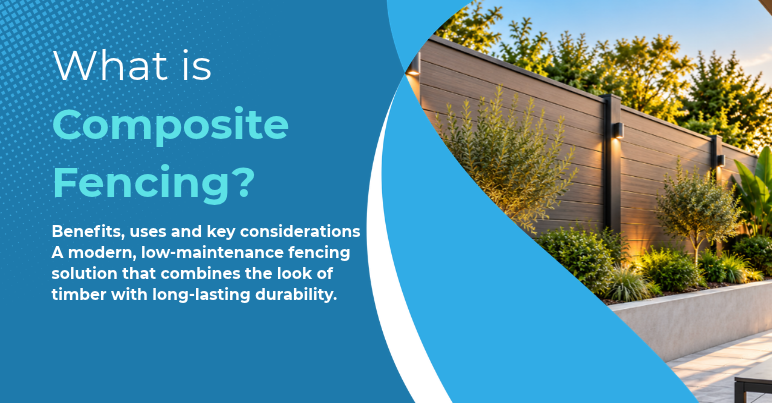
If you want the natural look of timber without the ongoing work of sanding, sealing and repainting, composite fencing is worth considering. It offers a modern alternative to traditional wooden fencing, combining a wood-inspired appearance with materials designed for outdoor durability and easier maintenance.
From creating privacy around a garden to defining property boundaries and screening outdoor living areas, composite fencing can offer a practical balance of appearance, performance and convenience. Here is what to consider before choosing composite fence panels for your property.
What is composite fencing
Composite fencing is made from a combination of materials, typically wood fibres and plastic polymers. Often referred to as wood-plastic composite (WPC) fencing, it is engineered to combine some of the visual appeal of natural wood with the durability and moisture resistance of synthetic materials.
The exact composition varies between manufacturers. Some products incorporate recycled wood fibres and plastics, while others use different formulations or protective outer layers to improve weather resistance and reduce fading. Composite fencing boards are commonly designed with wood-grain textures and a consistent finish, making them an attractive option for homeowners who want the warmth of timber without its traditional maintenance demands.
A typical composite fencing system may include:
- Composite wood fence panels or boards: The horizontal or vertical elements that form the fence.
- Composite fencing posts: The structural supports that hold the panels in position. Some systems use aluminium or steel posts instead.
- Rails and fixings: Components that secure the boards and maintain the structure.
- Post caps and finishing accessories: Details that create a neat, finished appearance.
- Composite fencing gates: Matching gates, where available, to create a consistent design across entrances and boundaries.
When comparing products, check whether the entire system is composite or whether it combines composite boards with metal posts, rails and other components.
What are the benefits of composite fencing?
SPC (Stone Plastic Composite) flooring combines limestone powder with advanced polymers to create a rigid, highly durable core. It is designed to replicate the appearance of natural timber while offering significantly greater resilience. As homeowners increasingly prioritise performance alongside aesthetics, SPC has become one of the fastest-growing durable flooring options available.
The main appeal of composite fencing is its combination of appearance, durability and low maintenance. However, the benefits depend on the quality of the product, its construction and the conditions in which it is installed.
No maintenance
One of the biggest advantages of composite fencing is that it generally does not require routine sanding, staining, sealing or painting to maintain its finish. Timber fences can need regular treatment to protect against moisture, weathering and deterioration. Composite fencing is designed to reduce this ongoing work, typically requiring only occasional cleaning with water and a mild detergent. For homeowners who want an attractive boundary without adding another maintenance task to their schedule, this can be a significant advantage.
Resistance to moisture and rot
Wood fibres can absorb moisture, which may contribute to swelling, decay and fungal damage over time. Composite materials are formulated to reduce moisture absorption and resist many of the problems associated with untreated timber. This makes composite fencing a practical option for outdoor areas exposed to rain, damp conditions or regular garden watering. However, composite fencing should not automatically be considered completely waterproof. Performance varies by product, and cut edges, joints and installation details can influence how well the system handles moisture.
Resistance to termites and other insects
Unlike conventional timber, the plastic component in wood-plastic composite fencing makes it less attractive to wood-damaging insects, including termites. This can be particularly relevant in parts of South Africa where termite activity is a concern. Composite fencing can reduce the risk of insect-related deterioration associated with timber, although the level of protection depends on the material formulation. If termite resistance is a priority, confirm the manufacturer's specifications rather than assuming all composite products offer identical protection.
A consistent, modern appearance
Composite fencing is available in various colours, profiles and wood-inspired finishes. This makes it possible to create a contemporary boundary that complements modern architecture, landscaped gardens and outdoor entertainment areas. Unlike natural timber, which can develop uneven discolouration and weathering, composite boards are manufactured to provide a more uniform finish.
Although some fading or colour change may occur with prolonged sun exposure, products with appropriate UV protection are designed to help preserve their appearance outdoors.
Long-term value
Composite fencing generally costs more upfront than basic timber fencing. However, the initial purchase price is only one part of the overall cost of owning a fence. Reduced spending on paint, wood treatments, replacement boards and maintenance labour can make composite fencing an attractive long-term investment.
Composite fencing vs timber: Which is bette?
Both materials have advantages. The right choice depends on your budget, preferred appearance and willingness to maintain the fence over time.
Timber may suit you if you prefer authentic natural wood, want a lower initial cost or enjoy the flexibility of working with traditional materials. Composite fencing may be better suited to your needs if you want a consistent, wood-inspired appearance with less routine maintenance.
When comparing the two, look beyond the installation quote. Consider the likely cost of upkeep and repairs over the period you expect to own the property.
Is composite fencing suitable for South African conditions?
Composite fencing can be suitable for South African properties, provided the product is specified for the local climate and installed correctly. South Africa's diverse conditions mean that a fence may need to withstand intense sunlight, summer storms, seasonal rainfall, coastal exposure or significant temperature fluctuations.
Here are the main factors to consider:
Sun exposure and UV resistance
In areas with strong sunlight, prolonged UV exposure can affect the colour and surface of outdoor materials. Look for composite fencing with documented UV resistance and ask the supplier about expected colour changes over time. A product designed for outdoor use is preferable to one without clear weather-performance specifications.
Rainfall and humidity
Composite materials are generally designed to resist moisture better than untreated timber. Nevertheless, proper drainage, suitable post foundations and the correct installation of joints and fixings remain important. Water should not be allowed to collect around structural components or in areas where the fencing system is not designed to retain it.
Coastal conditions
Properties near the coast may experience salt-laden air, strong winds and intense sunlight. While composite boards may offer good resistance to moisture-related deterioration, metal posts, brackets, screws and other fittings also need to be considered. Ask about corrosion-resistant hardware and the suitability of the complete fencing system for coastal environments.
Wind and structural stability
A solid privacy fence can catch considerable wind, particularly when installed in an exposed position.
The fence's height, post spacing, foundation depth, soil conditions and fixing method all influence its stability. A qualified installer should assess these factors before installation, especially on exposed sites or where local wind conditions are demanding.
Can composite fencing be used for privacy?
Yes. Composite fencing is a popular option for creating private outdoor spaces because many systems use closely fitted boards or panels that limit visibility through the fence. Depending on the design, composite fence panels can be used to:
- Screen patios, swimming pools and entertainment areas.
- Create privacy between neighbouring properties.
- Enclose gardens and outdoor living spaces.
- Conceal refuse areas, utility equipment and service yards.
- Define boundaries around residential developments and commercial properties.
The level of privacy depends on the panel design, board spacing and overall fence height. Some systems are designed for near-solid screening, while others incorporate gaps or decorative profiles.
Before choosing a design, consider your privacy requirements, wind exposure, boundary conditions and any applicable estate or municipal requirements.
Does composite fencing require maintenance?
Unlike timber, composite fencing does not require regular staining, painting or sealing. Routine care usually involves removing dust, dirt and organic residue before they accumulate.
For most products, a simple maintenance routine includes:
- Washing the boards with water and a mild detergent when needed.
- Removing dirt and debris from joints and the base of the fence.
- Checking posts, fixings and gates periodically for movement or damage.
- Following the manufacturer's instructions for cleaning and stain removal.
Avoid abrasive cleaning methods or harsh chemicals unless the manufacturer confirms that they are suitable for the product. It is also worth checking the warranty conditions before installation. Some manufacturers specify particular cleaning methods, installation requirements or exclusions that may affect warranty coverage.
What affects composite fencing cost in South Africa?
Unlike timber, composite fencing does not require regular staining, painting or sealing. Routine care usually involves removing dust, dirt and organic residue before they accumulate.
For most products, a simple maintenance routine includes:
- Washing the boards with water and a mild detergent when needed.
- Removing dirt and debris from joints and the base of the fence.
- Checking posts, fixings and gates periodically for movement or damage.
- Following the manufacturer's instructions for cleaning and stain removal.
Avoid abrasive cleaning methods or harsh chemicals unless the manufacturer confirms that they are suitable for the product. It is also worth checking the warranty conditions before installation. Some manufacturers specify particular cleaning methods, installation requirements or exclusions that may affect warranty coverage.
Material quality and construction
Different products use different material formulations, surface finishes and manufacturing processes. UV protection, protective outer layers and product warranties may also vary. Compare specifications and expected performance rather than choosing solely on the lowest price.
Fence height and total length
Taller fences require more material and may need stronger structural support. The total length determines how many boards, panels, posts and fixings are required. Measure the fence line accurately before requesting a quote.
Posts, rails and accessories
Composite fencing posts may be supplied as part of a complete system, or the design may use aluminium or steel posts. Check whether the quote includes rails, brackets, post caps, fixings and other necessary components. Comparing board prices alone can give an incomplete picture of the total cost.
Ground conditions and installation complexity
Sloping terrain, uneven ground, difficult access and the removal of an existing fence can increase installation costs. Ground preparation and the type of foundation required for the posts may also affect the final price.
Gates and custom designs
Composite fencing gates, where available, add to the overall cost. Gate frames, hinges, locks and other hardware may require separate components or specialist installation. Custom heights, colours, finishes and layouts can also affect pricing.
Installation labour and transport
The cost of professional installation varies according to location, site accessibility and the complexity of the project. Delivery costs can also be significant when materials need to be transported over long distances. When requesting a quote, ask for a breakdown covering materials, installation, preparation, accessories, transport and any additional work. To assess value accurately, compare the expected lifetime maintenance costs alongside the initial installation price.
Choosing composite fencing installers
Even a quality fencing product can underperform if it is installed incorrectly. Choosing experienced composite fencing installers can help ensure the system is fitted according to the manufacturer's requirements and suited to the site.
Before appointing an installer, ask:
- Have you installed this particular composite fencing system before?
- Is the quote for materials only or a complete supply-and-install service?
- Are posts, foundations, rails, fixings and finishing accessories included?
- How will the installation accommodate slopes, drainage and wind exposure?
- Can the fence be integrated with matching gates?
- What product and workmanship warranties apply?
- What maintenance is recommended, and what could affect the warranty?
It is also worth confirming whether the installer is familiar with the manufacturer's specified post spacing, expansion allowances and fixing requirements. A detailed quotation and clear installation scope can help prevent unexpected costs and ensure the finished fence meets your expectations.
Composite fencing gates
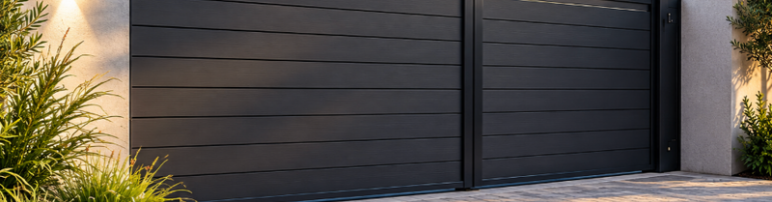
Many fencing systems offer matching gates or can accommodate a gate designed to complement the fence. Composite fencing gates can help maintain a consistent appearance across a property's entrance and boundary. However, the gate's construction is particularly important because it must support its own weight and withstand repeated opening and closing.
Ask whether the manufacturer supplies a compatible gate or whether a custom gate frame is required. Check the suitability of the hinges, locks, posts and supporting structure for the gate's size and intended use. If the entrance is wide or exposed to strong winds, professional advice on the gate's structure and support is especially important.
Is composite fencing the right choice for your property?
Composite fencing is worth considering if you want the appearance of timber without the same level of ongoing maintenance. Its resistance to moisture and wood-damaging insects, combined with a consistent finish, makes it an appealing option for a range of residential and commercial applications.
However, the best choice depends on your priorities. Timber may offer a lower initial cost and an authentic natural finish, while composite fencing may appeal to property owners who place greater value on reduced upkeep and long-term convenience. Before making a decision, compare the complete system, check its suitability for South African weather conditions and obtain a detailed installation quote.
Frequently asked questions about composite fencing
Composite fencing is typically made from a blend of wood fibres and plastic polymers. Some products use recycled materials or protective outer layers to improve durability and weather resistance. The exact composition varies by manufacturer.
Neither material is automatically better in every situation. Composite fencing generally requires no maintenance and is designed to resist moisture and insect damage. Timber often has a lower initial cost and offers the natural variation of real wood.
Composite fencing is designed to resist rot and is generally resistant to wood-damaging insects such as termites. However, product formulations differ, so check the manufacturer's specifications and warranty.
Some colour change can occur with prolonged UV exposure. Products formulated for outdoor use with UV protection are designed to reduce fading, but results depend on the material, finish and exposure conditions.
Yes. Closely fitted composite fence panels can create a private boundary around gardens, patios, pools and outdoor entertainment areas. The level of screening depends on the design and spacing of the boards.
Composite fencing is generally moisture-resistant rather than universally waterproof. Product construction, exposed edges, joints and installation details can affect its performance in wet conditions.
Composite fencing cost varies according to the product, fence height and length, post and fixing system, site conditions, gates and installation labour. Request an itemised quotation to compare the full project cost.
Many systems can accommodate sloping ground, but the installation method depends on the design and gradient. The installer should assess the site and follow the manufacturer's requirements for stepped or angled installations.
Professional installation is advisable for larger projects, uneven terrain, exposed sites and installations that include gates. An experienced installer can help ensure the foundations, posts, fixings and panels are correctly specified and fitted.
✔ Request a personalised quote
✔ Visit our showroom in Bryanston
✔ View completed installations for inspiration
✔ Receive expert advice on selecting the right flooring
Call us at 083 444 0655 or email gary@fishersdecking.co.za to get started on your composite journey.