
What is composite cladding? A complete guide for South African homes

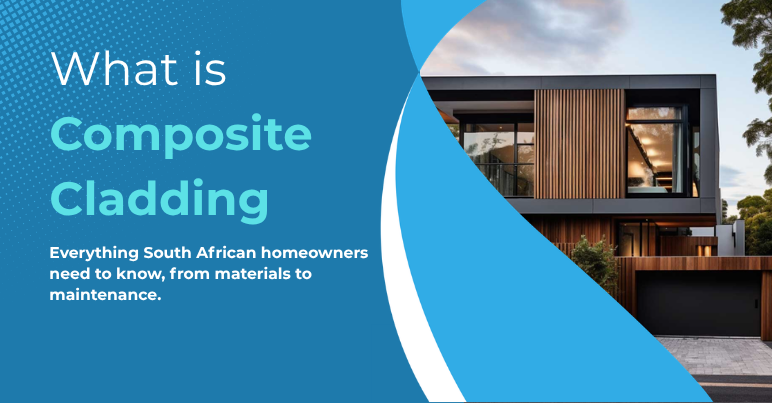
Composite cladding is becoming an increasingly popular choice for homeowners looking to improve the appearance of their homes while adding a durable, low-maintenance finish to exterior walls. Offering the visual appeal of natural timber without many of the maintenance requirements associated with traditional wood, composite cladding can be used to create a contemporary finish on façades, feature walls, patios and other outdoor spaces.
This guide explains everything homeowners need to know about composite wall cladding in South Africa, from materials and installation to maintenance and durability.
What is composite cladding?
Composite cladding is an exterior wall covering made from a combination of materials, typically wood fibres and a polymer such as recycled or virgin plastic. It is designed to provide the appearance and warmth of timber while
offering greater resistance to moisture, weathering and everyday wear. It is sometimes referred to as composite wood cladding, wood plastic composite cladding (WPC) or simply WPC cladding.
Composite cladding boards are installed over an existing wall or supporting structure to create a protective and decorative outer layer. Depending on the product and installation system, the boards can be installed horizontally or vertically, allowing homeowners and designers to create different architectural effects.
What is composite cladding made from?
Most composite cladding products are manufactured using a combination of:
· Wood fibres or wood flour, which provide the natural appearance and texture associated with timber
· Polymer or plastic, which helps improve resistance to moisture and environmental exposure
· Additives and pigments, which can provide colour stability, durability and other performance characteristics
The exact composition can vary between manufacturers and products, so it’s important to review the technical specifications before choosing composite cladding boards for a project. Unlike natural timber, composite materials can be specifically engineered to deliver particular performance characteristics, such as durability, moisture and UV resistance, making them well suited to demanding outdoor environments.
Where can composite cladding be used?
One of the biggest advantages of composite cladding for exterior walls is its versatility.
Exterior walls and façades
Composite wall cladding can transform a plain exterior wall into a contemporary architectural feature. It can be used across an entire façade or selectively to highlight entrances, balconies and architectural features.
Feature walls
A smaller area of outdoor composite cladding can create a strong visual focal point without requiring a complete exterior renovation.
Patios and entertainment areas
Composite cladding works particularly well around outdoor entertainment spaces, where its timber-inspired appearance can complement decking, landscaping and outdoor furniture.
Boundary and privacy walls
Depending on the specific product and installation requirements, composite boards can also be incorporated into privacy screens and other exterior structures.
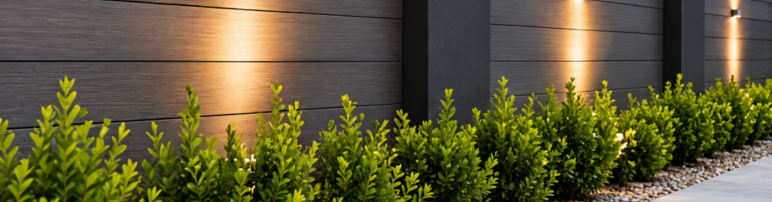
Commercial and hospitality spaces
The combination of visual appeal and relatively low maintenance makes composite cladding an option for applications such as restaurants, offices, retail spaces and accommodation facilities.
Always check the manufacturer's recommended applications and installation requirements before using composite cladding in a particular environment.
Is composite cladding suitable for South African weather?
South Africa presents a wide range of climatic conditions, from hot, dry inland regions to humid coastal environments and areas exposed to strong sunlight and significant temperature fluctuations. This makes weather resistance an important consideration when selecting composite cladding in South Africa.
Quality composite cladding is generally designed to withstand outdoor exposure, including moisture and sunlight. However, performance depends heavily on the quality and construction of the product. When choosing composite wall cladding in South Africa, look for products with clear technical specifications covering factors such as:
· UV resistance
· Moisture resistance
· Temperature tolerance
· Dimensional stability
· Colour retention
· Resistance to mould and mildew
· Warranty period
· Recommended installation conditions
It is also important to consider the local environment. A coastal home, for example, may experience very different conditions from a property in an inland region with extreme temperature variations. The key is not simply choosing composite cladding, but choosing a product that has been designed and tested for outdoor use and installing it correctly.
How is composite cladding maintained?
One of the main reasons homeowners choose composite cladding over traditional timber is its relatively low maintenance requirements. Unlike natural timber, composite cladding generally does not require regular staining or sealing to maintain its appearance. Routine maintenance typically involves keeping the surface clean and removing dirt, dust and other accumulated debris.
How long does composite cladding last?
The lifespan of composite cladding depends on several factors, including the quality of the material, installation, exposure to weather and ongoing care. High-quality composite cladding is designed for long-term exterior use and can last for many years when properly installed and maintained.
Composite cladding vs timber cladding
For homeowners deciding between composite wood cladding and traditional timber, the right choice depends on the priorities of the project.
Appearance
· Composite cladding: Timber-inspired, consistent finish
· Timber cladding: Natural timber appearance
Maintenance
· Composite cladding: Generally low
· Timber cladding: Usually requires more ongoing maintenance
Moisture resistance
· Composite cladding: Generally high, depending on product
· Timber cladding: Depends on timber species and treatment
UV exposure
· Composite cladding: Product-dependent
· Timber cladding: Can weather and change colour
Durability
· Composite cladding: Designed for exterior applications
· Timber cladding: Varies significantly by timber species and treatment
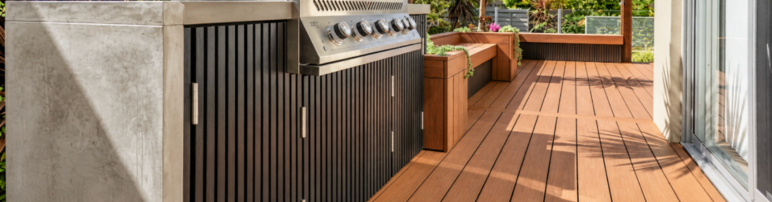
The biggest difference is maintenance. Traditional timber has a natural beauty that many homeowners love. However, it can require regular maintenance to protect it from moisture, UV exposure, insects and weathering.
Composite cladding is designed to reduce many of these maintenance requirements. This can make it particularly attractive for homeowners who want a timber-inspired aesthetic without committing to regular staining, sealing and refinishing.
Is composite cladding worth it?
For homeowners looking for a durable, contemporary finish with relatively low maintenance requirements, composite cladding can be an attractive alternative to traditional timber. It offers the visual warmth of wood, as well as a wide range of design possibilities and performance characteristics suited to outdoor applications. For South African homes, the important consideration is selecting a quality product that is appropriate for the local climate and ensuring that it is installed according to the manufacturer's specifications. Ultimately, the best cladding is not simply the one that looks good when it is installed. It is the one that continues to look and perform well years later.
Choosing composite cladding in South Africa
If you are considering composite wall cladding in South Africa, look beyond colour and price. Ask about the composition of the boards, their UV and moisture resistance, expected lifespan, warranty, installation system and maintenance requirements. A reputable supplier should be able to provide clear technical information and guidance on which product is appropriate for your specific application.
Composite cladding can give a home a modern, architectural finish while reducing the maintenance associated with traditional timber. With the right product, professional installation and appropriate care, it can be a practical
long-term option for South African exterior walls.
Speak to our team for practical advice on selecting the right cladding solution for your home or project.
✔ Request a personalised quote
✔ Visit our showroom in Bryanston
✔ Explore real installations for inspiration
✔ Get expert advice on product selection
Call us at 083 444 0655 or email gary@fishersdecking.co.za to get started.